Qatar Energy Minister Disputes US Treasury on Strait of Hormuz Future
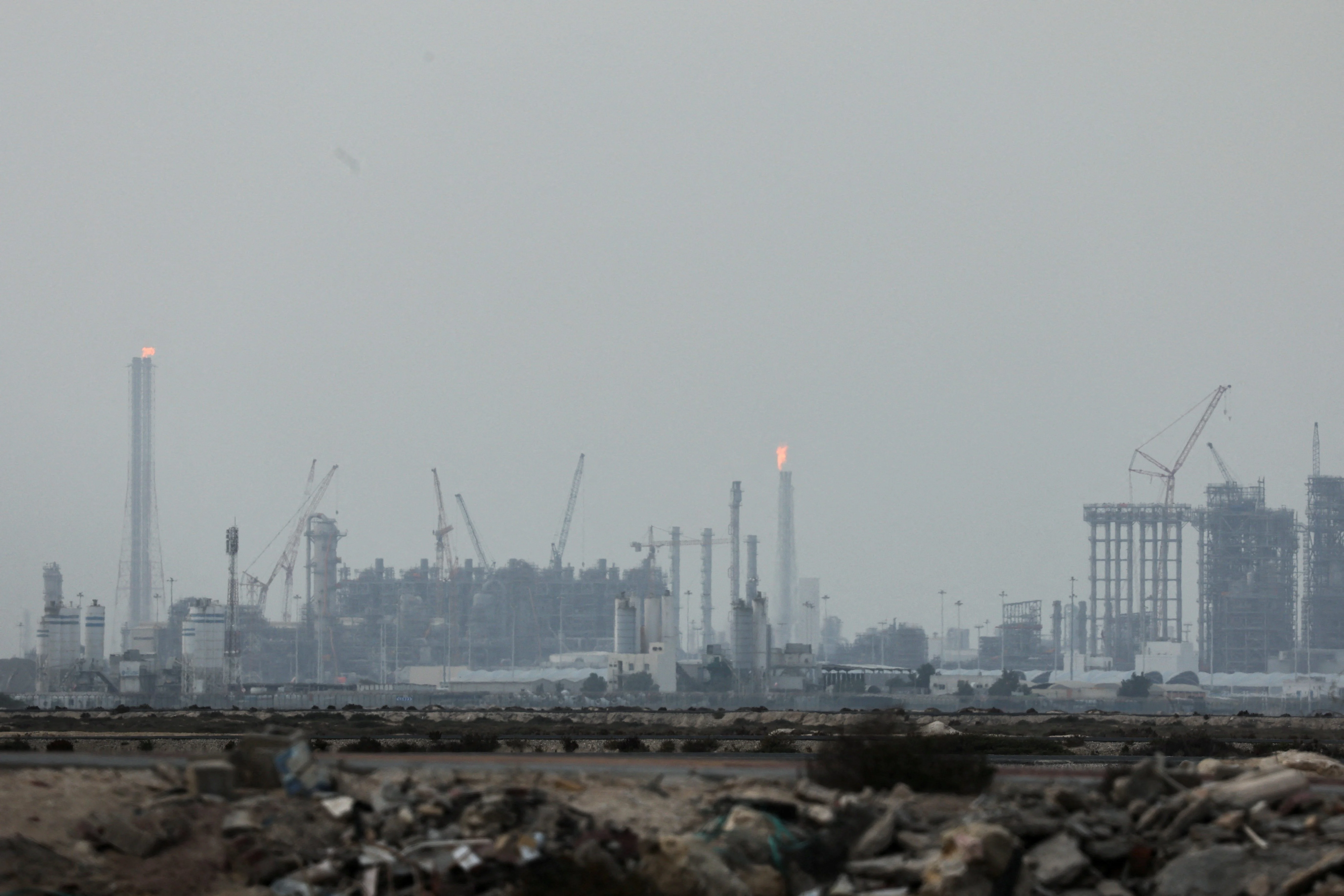
Qatar's Energy Minister, Saad Al-Kaabi, has publicly stated that US Treasury Secretary Scott Bessent is mistaken regarding the future significance of the Strait of Hormuz. This divergence of opinion highlights potential geopolitical and logistical considerations for maritime operators transiting this critical chokepoint.
The Strait of Hormuz remains a vital artery for global energy supplies, particularly for crude oil and LNG exports from the Persian Gulf. Any perceived shift in its strategic importance, whether due to alternative routes, geopolitical tensions, or evolving energy markets, directly impacts shipping routes, insurance premiums, and operational planning for vessels calling at ports in the Middle East and beyond.
For operators trading to European, UK, Mediterranean, Turkish, Black Sea, or Middle Eastern ports, this statement underscores the need for continuous monitoring of geopolitical developments and their potential impact on established trade flows. While the Strait of Hormuz is unlikely to lose its relevance in the short to medium term, differing perspectives from key energy-producing nations and major consuming nations warrant attention. This can influence charter party clauses, route planning, and contingency measures, especially for tankers and LNG carriers.
While the exact nature of Secretary Bessent's remarks and the basis for Minister Al-Kaabi's disagreement are not detailed, the public nature of this dispute suggests a potential underlying tension or differing strategic outlook. Vessel operators should remain vigilant regarding any developments that could affect the security or accessibility of this waterway. The primary takeaway is the importance of staying informed about high-level geopolitical statements that could signal future changes in maritime security and trade route viability.