QatarEnergy: LNG Train Repairs to Span Three Years, Hormuz Transit Unchanged
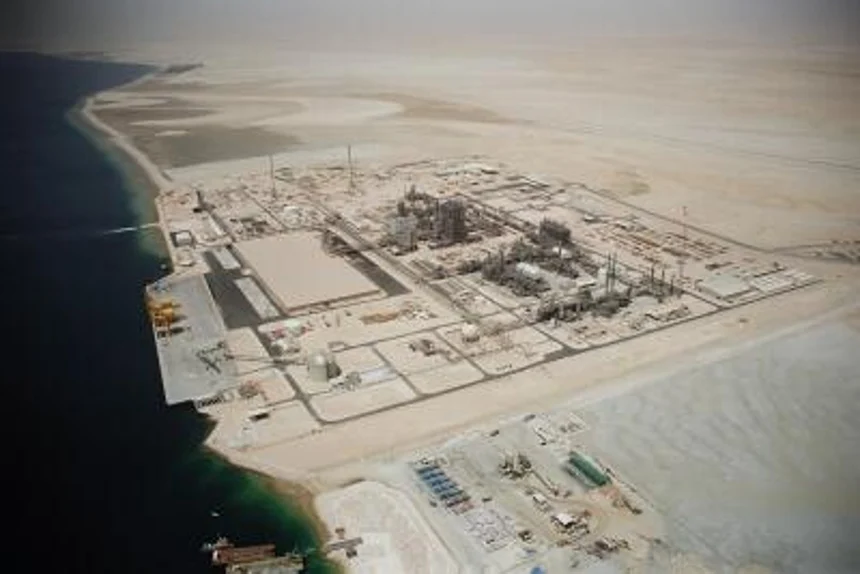
Qatar's state-owned energy giant, QatarEnergy, has announced that repairs to its damaged liquefied natural gas (LNG) facilities at Ras Laffan Industrial City will take approximately three years to complete. This extended timeline stems from recent attacks impacting the operational capacity of its LNG trains.
Despite the significant repair duration, the company remains steadfast in its commitment to utilising maritime transit routes, specifically through the Strait of Hormuz, for its LNG exports. The CEO has dismissed alternative pipeline infrastructure as economically unfeasible, reinforcing the established logistical pathways.
Implications for Vessel Operators
This development has direct implications for vessel operators, particularly those involved in the LNG trade. The extended downtime for a portion of Qatar's LNG production capacity could influence global LNG supply dynamics and potentially impact charter rates and vessel deployment strategies. While the commitment to Hormuz transit remains, the underlying production capacity reduction necessitates careful monitoring of market shifts and potential rerouting of trade flows if supply disruptions become more pronounced.
For operators trading to European, UK, Mediterranean, Turkish, Black Sea, or Middle Eastern ports, the news underscores the importance of supply chain resilience. While the direct impact on these regions may not be immediate, any significant disruption to Qatar's LNG output, a key supplier to many of these markets, could lead to price volatility and increased demand for alternative sources. Maintaining awareness of the repair progress and its impact on global LNG flows will be crucial for operational planning and securing favourable charter terms.