Russia: Black Sea Grain Exports Could Resume at 80% Capacity if Attacks Cease
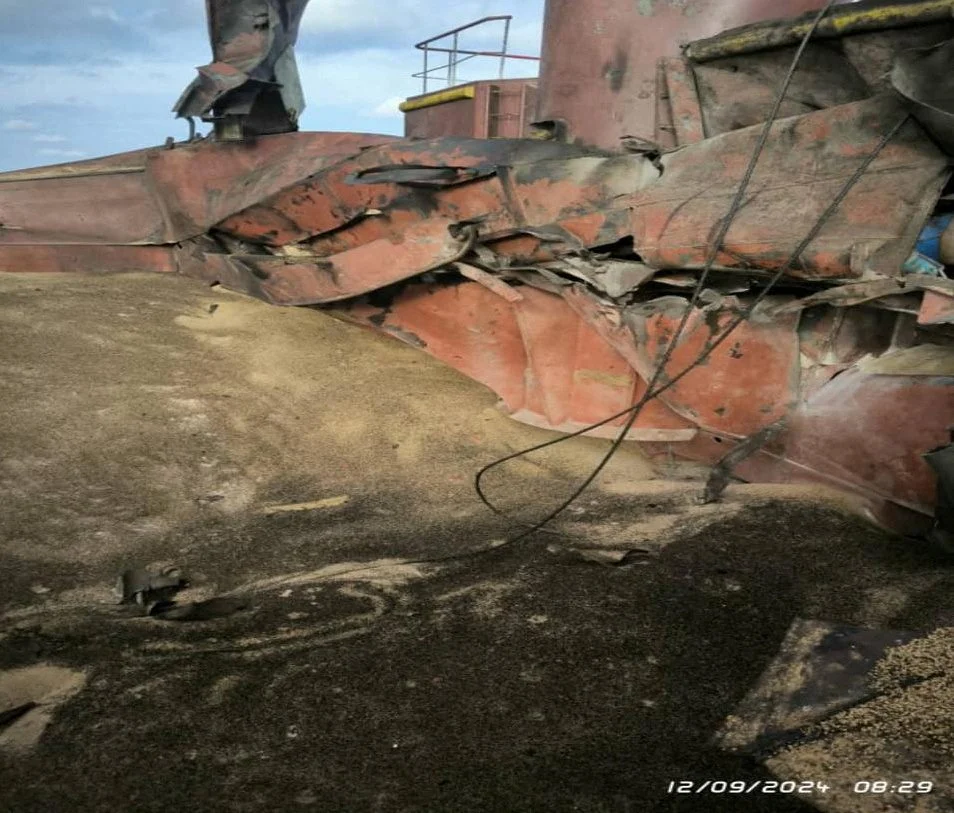
A recent statement from Russia indicates a significant potential to restore grain export operations in the Black Sea and Sea of Azov. According to the report, up to 80% of existing grain terminal capacity could be brought back online if attacks on relevant infrastructure cease. This development, while contingent on geopolitical factors, has direct implications for maritime logistics and commodity flows in a critical region.
The ability to rapidly restart such a substantial portion of export capacity suggests that the underlying infrastructure, while potentially targeted, may not be irreparably damaged. This implies that with a cessation of hostilities or a de-escalation, a swift return to pre-incident export levels could be feasible. For vessel operators, this could translate into renewed opportunities for chartering and cargo movements, but also potential volatility as markets react to the changing risk landscape.
Operators trading to European, UK, Mediterranean, Turkish, Black Sea, or Middle Eastern ports should monitor this situation closely. Any significant resumption of Russian grain exports would directly influence regional freight rates, port congestion dynamics, and the availability of bulk carrier tonnage. Furthermore, it could impact the competitive landscape for agricultural commodity suppliers in these areas. The potential for increased vessel traffic necessitates a careful assessment of route planning, security advisories, and port call scheduling.
A key takeaway for technical superintendents and fleet managers is the importance of maintaining vessel readiness and flexibility. Should export routes reopen, the ability to quickly adapt schedules and secure appropriate tonnage will be crucial. This includes ensuring all necessary documentation and certifications are in order for potential voyages into or out of the Black Sea region, adhering to any evolving safety and security protocols.