Russia Strikes Odesa, Disrupting Black Sea Shipping Operations
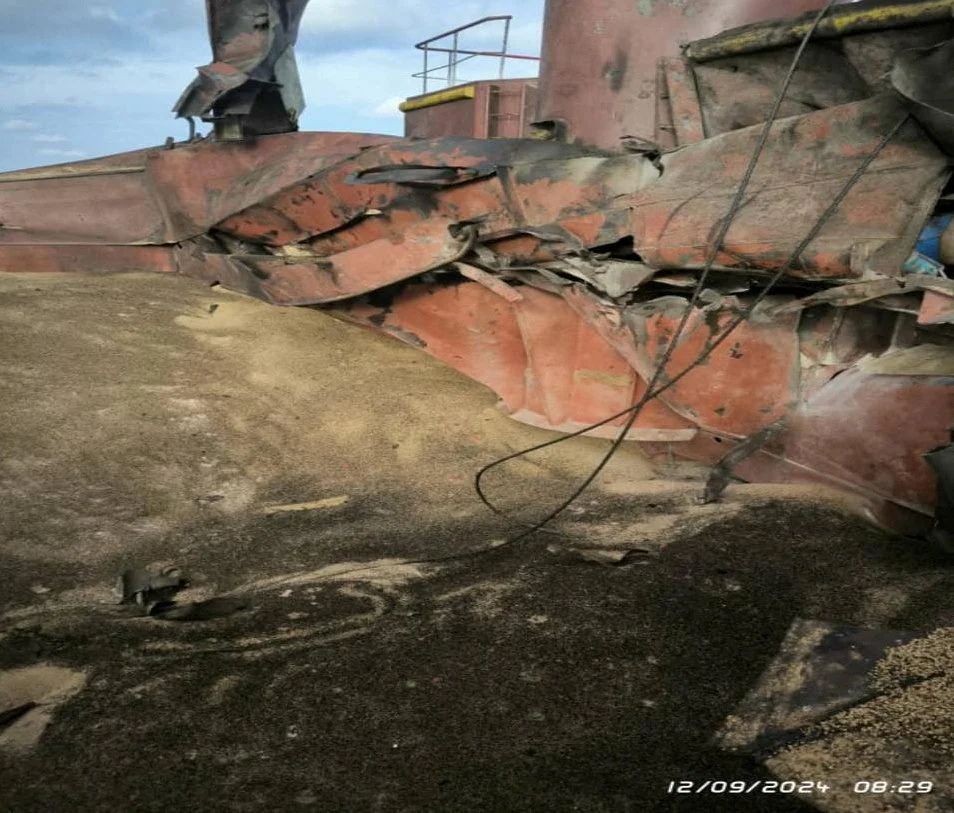
Russia has again targeted the Ukrainian port city of Odesa with a significant airstrike, exacerbating the ongoing disruptions to maritime traffic in the Black Sea. This latest attack underscores the persistent security risks faced by commercial vessels operating in or transiting this vital waterway.
The repeated targeting of Odesa and its environs directly impacts the logistical capabilities of Ukraine and has broader implications for global supply chains that rely on grain and other exports from the region. For vessel operators, such attacks translate into increased operational uncertainty, potential delays, and heightened safety concerns for crews and cargo.
Operational Implications
Beyond the immediate threat to life and property, these strikes can lead to rerouting, increased insurance premiums, and a general reluctance from some charterers to commit vessels to the affected areas. The unpredictability of military actions in the Black Sea necessitates constant vigilance and adaptive risk management strategies.
For operators with vessels trading to European, UK, Mediterranean, Turkish, Black Sea, or Middle Eastern ports, the situation in Odesa serves as a stark reminder of geopolitical instability impacting maritime routes. While direct attacks on commercial shipping are not the norm, the potential for collateral damage or secondary effects, such as port closures or increased security measures, remains a significant consideration. Vessels may face extended waiting times, diversionary routes that add to transit times and fuel consumption, and the need for enhanced security protocols when approaching or departing Black Sea ports.
Practical Takeaway
Given the volatile situation, a critical takeaway for vessel operators is the imperative to maintain up-to-date intelligence on the security status of the Black Sea. This includes closely monitoring advisories from flag states, international maritime organisations, and reputable risk assessment agencies. Proactive communication with charterers and stakeholders regarding potential delays or route adjustments is also essential to manage expectations and ensure operational continuity where possible.