Sanctioned Russian Tanker Engine Failure in Sea of Marmara
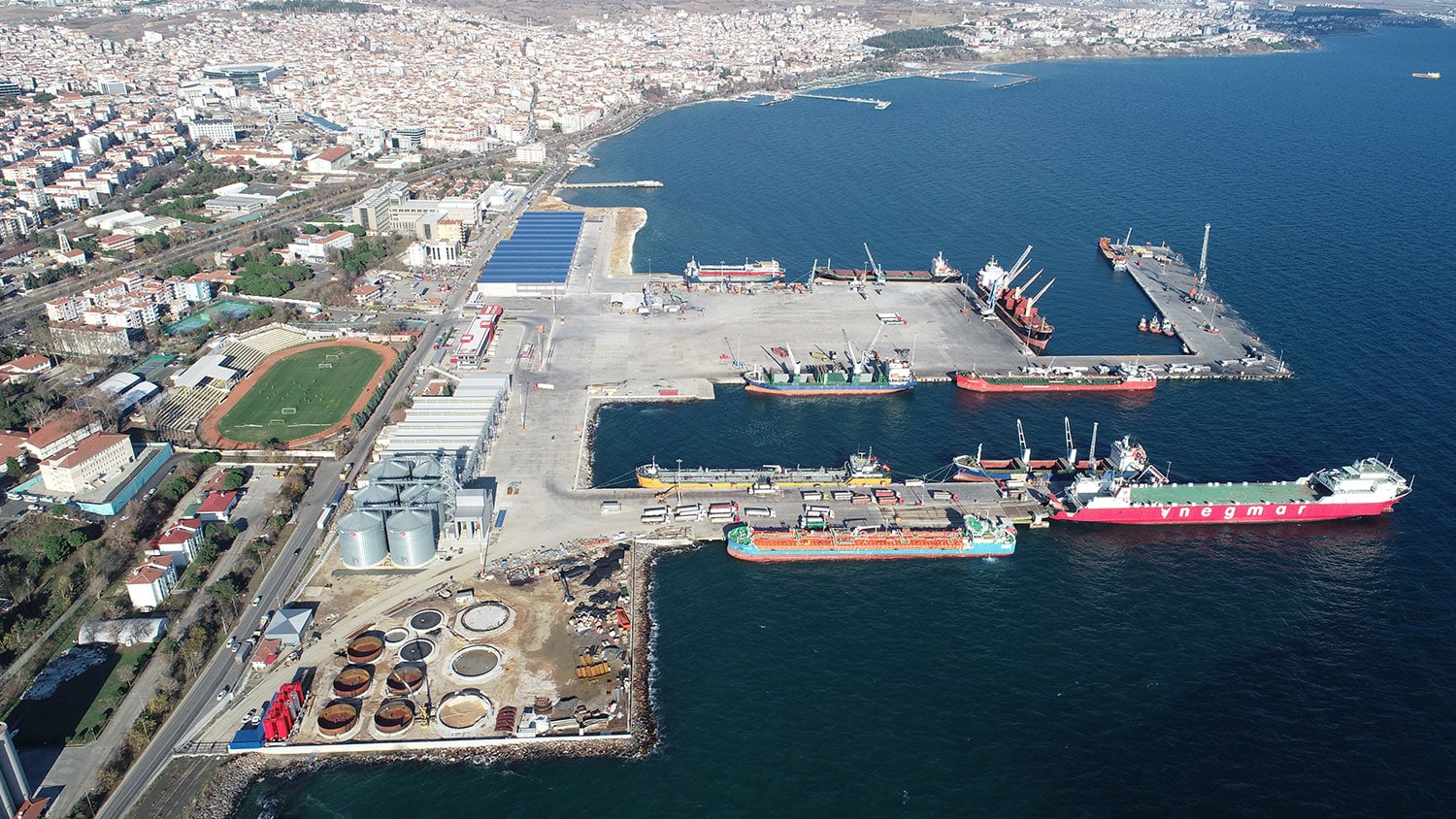
A recent incident involving the Russian-flagged tanker Pioner 1 highlights the ongoing complexities of operating vessels subject to international sanctions. The vessel, reportedly carrying 96,500 tonnes of Russian crude oil destined for China, experienced an engine failure on September 5th in the Sea of Marmara. It was subsequently towed and anchored off Tekirdag, Turkey.
This event underscores the potential operational risks associated with vessels involved in trade flows impacted by sanctions. Engine failures, especially on older or less maintained tonnage often found in shadow fleets, can lead to significant delays, potential environmental hazards, and complex logistical challenges, particularly in sensitive maritime areas.
For operators trading to European, UK, Mediterranean, Turkish, Black Sea, or Middle Eastern ports, this incident serves as a reminder of the heightened scrutiny such vessels may face. Port authorities and coastal states are increasingly vigilant regarding vessels that might be attempting to circumvent sanctions, and any operational issue can trigger closer inspection and potential delays. The ability of a vessel to maintain its operational integrity is paramount, and any failure can lead to prolonged detentions and investigations.
The practical takeaway for vessel operators is the critical importance of robust vessel maintenance and contingency planning. Ensuring that all machinery is in good working order, and that emergency towing and repair arrangements are readily available and effective, is essential. Furthermore, understanding the potential implications of a vessel's trading history and sanctions status on its ability to navigate international waters and call at ports is crucial for risk management.