Saudi Oil Pipeline Disruption Impacts Global Supply
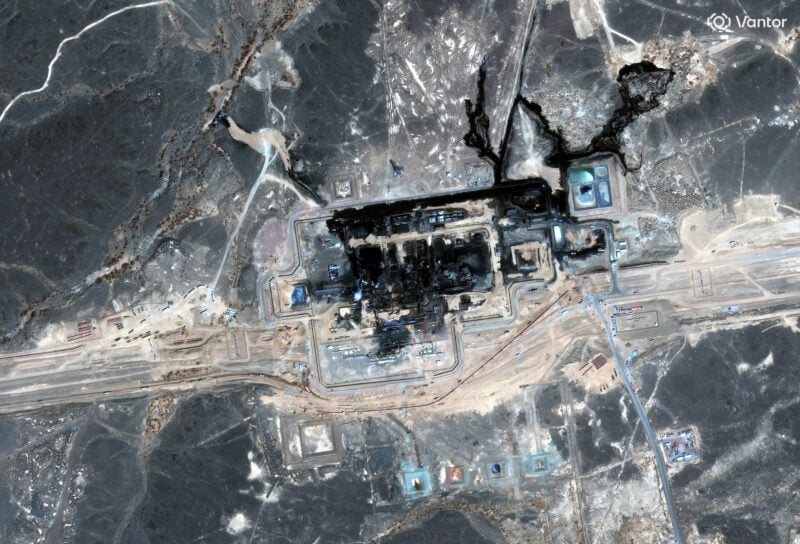
A critical pipeline in Saudi Arabia, vital for exporting crude oil via the Red Sea, has reportedly been disrupted. This incident poses a substantial risk to global oil supplies, with estimates suggesting a potential loss of around 4% of daily global output if the pipeline cannot be rapidly restored. The facility is essential for moving crude from the Persian Gulf to the Red Sea coast, enabling tanker shipments to bypass the Suez Canal and reach European and North American markets more efficiently.
Operational Implications
For vessel operators, this disruption translates into several immediate concerns. Firstly, it could lead to significant volatility in the oil charter market, impacting freight rates for tankers trading in the affected regions. Secondly, while the immediate impact on vessel scheduling might be minimal if the outage is short-lived, a prolonged shutdown could force rerouting of crude oil shipments. This could increase transit times and potentially lead to congestion at alternative loading terminals or ports if supply chains are significantly altered.
Regional Impact
Operators trading to European, UK, Mediterranean, Turkish, Black Sea, or Middle Eastern ports should monitor the situation closely. A prolonged outage could affect the availability and pricing of crude oil destined for refineries in these regions. Furthermore, any rerouting of tankers that would normally transit the Suez Canal might indirectly influence vessel availability and port call priorities within the Mediterranean and Black Sea, potentially leading to minor scheduling adjustments or increased demand for certain port services.