Seafarer Repatriations Linked to Unaddressed Musculoskeletal Issues
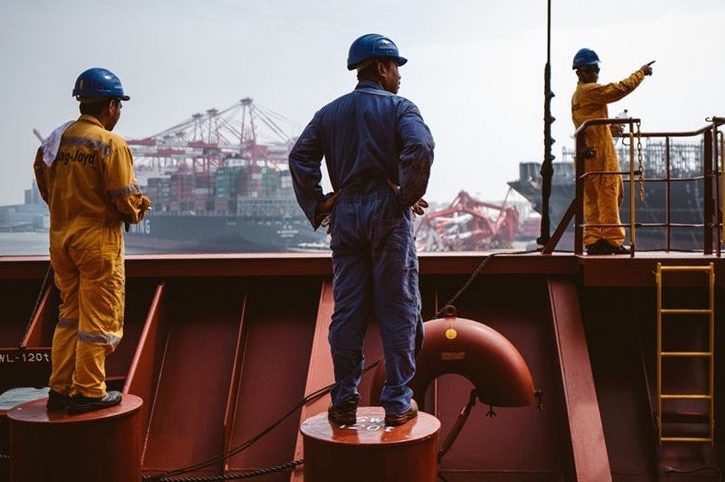
A recent analysis highlights that musculoskeletal disorders (MSDs) are a substantial, yet often overlooked, contributor to seafarer repatriations. The physically demanding nature of life at sea can lead to the acceptance of aches and pains as routine, delaying necessary medical attention.
This trend poses a direct operational risk for vessel operators. Frequent repatriations due to preventable health issues result in unplanned crew changes, potential delays, increased travel costs, and the disruption of vessel operations. Furthermore, it impacts crew morale and retention, creating a cycle of understaffing and increased workload for remaining crew.
Operational Impact
The cumulative effect of MSDs can lead to a seafarer being unfit for duty, necessitating their immediate return home. This is not merely a welfare concern; it translates into tangible financial and logistical burdens for shipowners and managers. The cost of emergency repatriation, recruitment of replacement crew, and potential vessel downtime can be considerable. Beyond the immediate costs, a reputation for poor crew welfare can also affect a company's ability to attract and retain skilled personnel.
Regional Considerations
For vessels operating within European, UK, Mediterranean, Turkish, Black Sea, or Middle Eastern ports, the implications are significant. These regions are often hubs for crew changes and port operations. Unforeseen repatriations can lead to complex logistical challenges in arranging timely medical assessments and onward travel, potentially causing delays in cargo operations or maintenance schedules. Port agents may face increased administrative burdens, and the risk of encountering port state control scrutiny over crew welfare issues, while not directly linked to MSDs, is always present when crew health is compromised.
Proactive Management
The core message is that early identification and intervention are crucial. Addressing minor aches and pains before they escalate into serious conditions can prevent many repatriations. This requires fostering a culture where seafarers feel empowered to report discomfort without fear of stigma or negative career repercussions, and ensuring accessible, timely medical advice is available.