Setúbal Port Plans Major €80 Million Concession for Mitrena Terminal Expansion
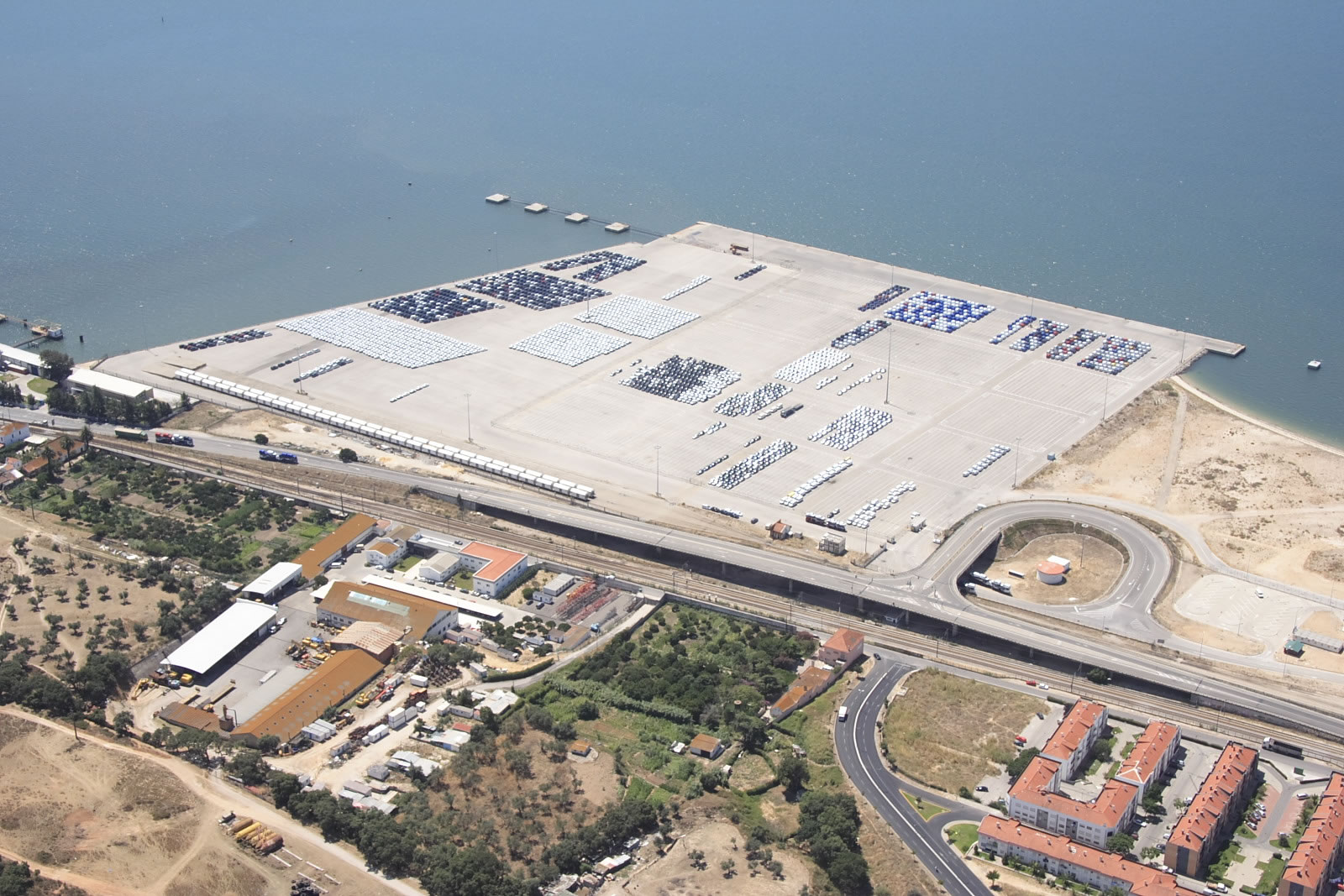
The Port of Setúbal is moving forward with plans to significantly enhance its Mitrena multi-use terminal through an €80 million concession. The initiative aims to boost the terminal's capacity from its current approximately 1.5 million tonnes to five million tonnes annually, focusing on general cargo and bulk commodities. This substantial investment signals a strategic move by the port authority to attract larger volumes and potentially new types of cargo, reflecting a broader trend of infrastructure development in key European maritime hubs.
For vessel operators, this expansion implies potential shifts in cargo handling capabilities and throughput at Setúbal. Increased capacity could lead to more efficient loading and unloading operations, potentially reducing vessel waiting times, especially for bulk carriers and general cargo ships. The focus on multi-use suggests flexibility, which may benefit diverse fleet types. Such developments are crucial for fleet managers and technical superintendents who rely on predictable port operations and efficient turnaround times to maintain schedules and operational costs.
This development is particularly relevant for operators trading to European, UK, Mediterranean, Turkish, Black Sea, or Middle Eastern ports. As European ports continue to invest in capacity and efficiency to remain competitive, Setúbal's upgrade positions it as a more significant gateway. This could influence routing decisions and cargo flows within the wider region, potentially offering alternative or enhanced options for vessels calling at these areas. The increased throughput capacity may also attract larger vessels, requiring operators to be aware of potential draft or length restrictions that might be addressed by the terminal's upgrade.
A key takeaway for operators is the need to monitor the progress and specifics of the Mitrena terminal's development. Understanding the terminal's new capabilities and any associated operational changes will be vital for optimizing voyage planning and cargo operations in the region.