Shipping's Carbon Data Accuracy Imperative Amidst Evolving Cost Structures
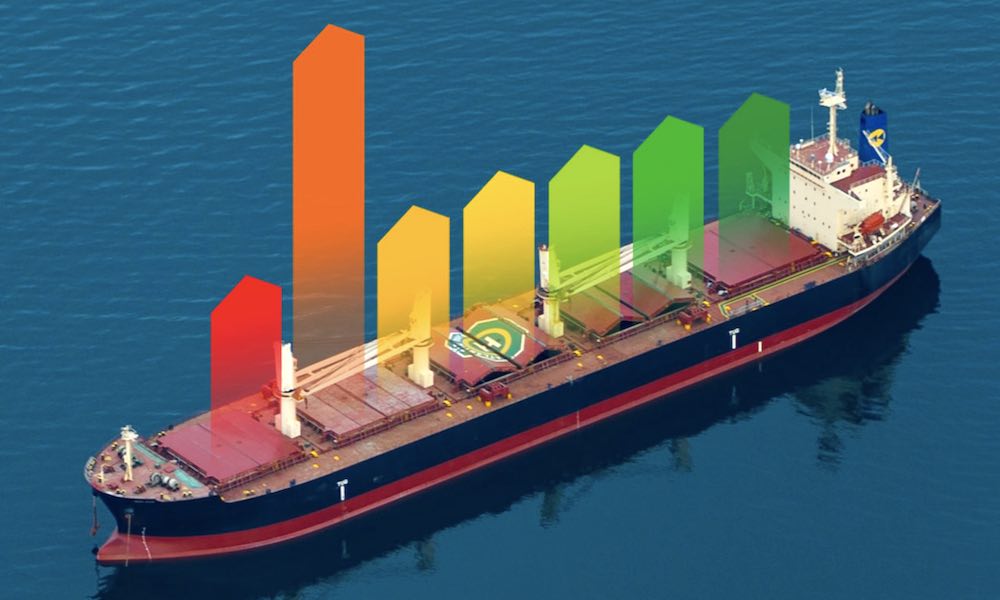
The long-standing practice of estimating vessel carbon emissions using fuel consumption and standard factors is becoming insufficient. Jan Mattsson, chairman of Everimpact, highlights a critical industry shift: carbon emissions are no longer just a regulatory metric but are increasingly tied to direct operating costs. This evolution necessitates a move towards more accurate, real-time emissions data.
For vessel operators, this means that the financial implications of emissions are becoming tangible. As carbon pricing mechanisms and emissions trading schemes are implemented, the difference between estimated and actual emissions can translate into significant cost variances. Relying on historical estimation methods risks financial penalties and missed opportunities for efficiency gains. The drive for precision is therefore not merely about compliance but about sound financial management and competitive positioning.
This change is particularly pertinent for vessels trading within European, UK, Mediterranean, Turkish, Black Sea, and Middle Eastern ports. These regions are at the forefront of implementing stringent environmental regulations, including the EU Emissions Trading System (EU ETS). Accurate data is essential for accurate reporting under these schemes, avoiding potential fines, and optimising voyage planning to minimise carbon costs. Furthermore, charterers and cargo owners are increasingly demanding transparency and verifiable emissions data, influencing commercial decisions.
A practical takeaway for operators is to invest in systems and processes that provide granular, real-time emissions monitoring. This allows for immediate adjustments to operational parameters, fuel choices, and route planning to manage carbon costs effectively. Moving beyond simple fuel logs to sophisticated data analysis is becoming a necessity.