Strait of Hormuz Security Escalation: Six Vessels Hit Since Sunday
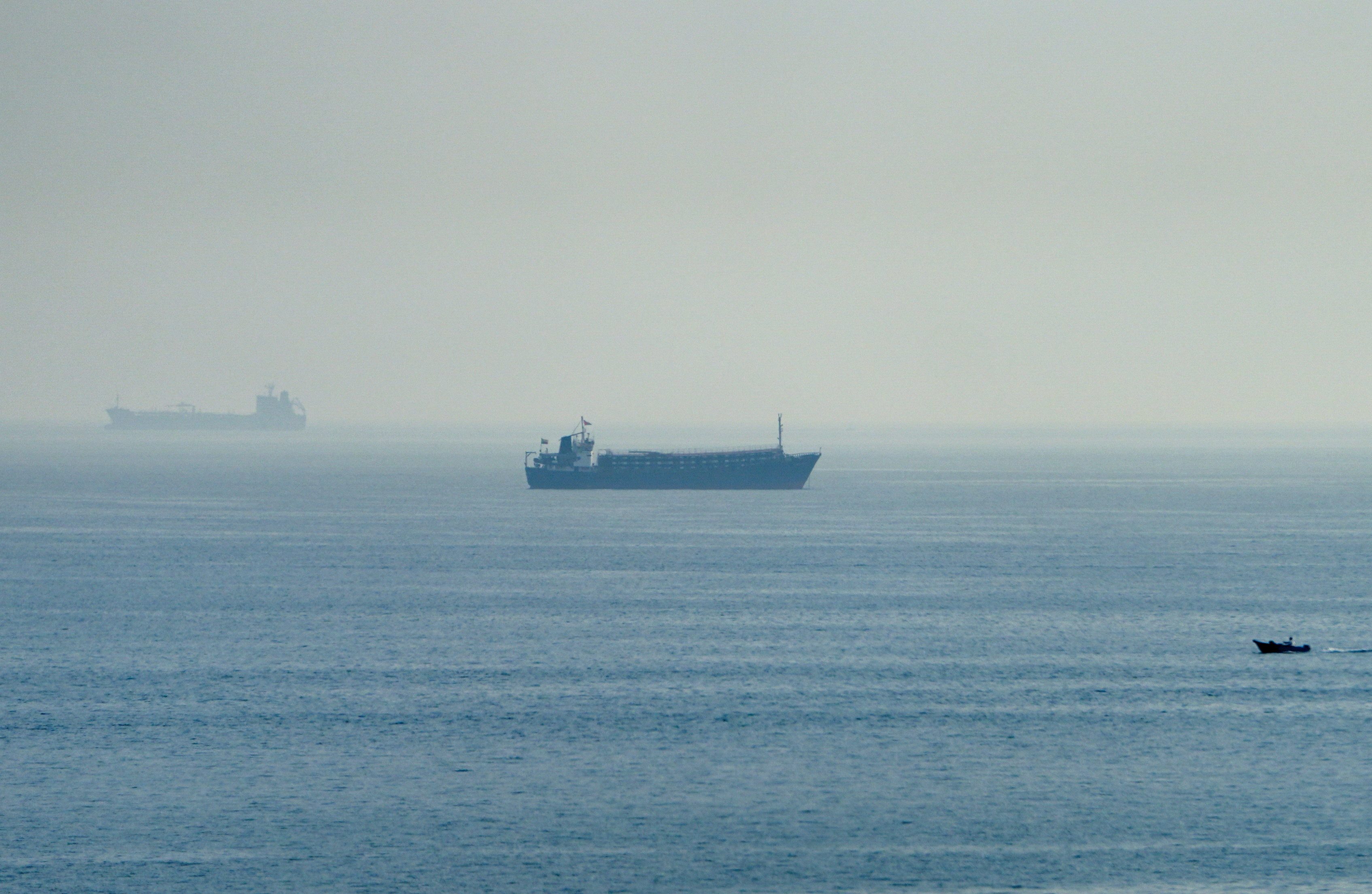
Operational Impact in the Strait of Hormuz
Recent maritime security reports indicate that multiple commercial ships have sustained damage within the Strait of Hormuz since Sunday. According to maritime authorities, at least six vessels have been struck in the strategic waterway, heightening operational risks for commercial fleets transiting the area.
For technical superintendents and fleet managers, these security incidents necessitate an immediate review of vessel hardening measures, voyage planning, and security alert levels. Masters operating in the region must follow latest guidance from naval authorities and ensure that all onboard safety and security management systems under the ISPS Code are strictly enforced. Crew briefings and drills regarding asymmetric threats should be verified prior to entering high-risk waters.
Implications for Regional and Middle Eastern Trades
While the incidents occurred in the Middle East, the repercussions extend directly to operators managing tonnage on long-haul routes connecting Middle Eastern export terminals with European, UK, Mediterranean, Turkish, and Black Sea ports. Delays, potential route diversions, and heightened war-risk insurance premiums will impact voyage economics and scheduling reliability for tankers and dry cargo vessels alike. Port agents and operators must anticipate schedule adjustments as commercial vessels recalibrate their transit timetables to mitigate security exposure.
Practical Takeaway
Fleet managers should immediately re-evaluate current threat assessments for the Middle East gulf region, verify that all security equipment is fully operational, and ensure Masters maintain close communication with regional maritime security reporting centers.