Strait of Hormuz Tanker Incidents: Operational Risks and Navigation
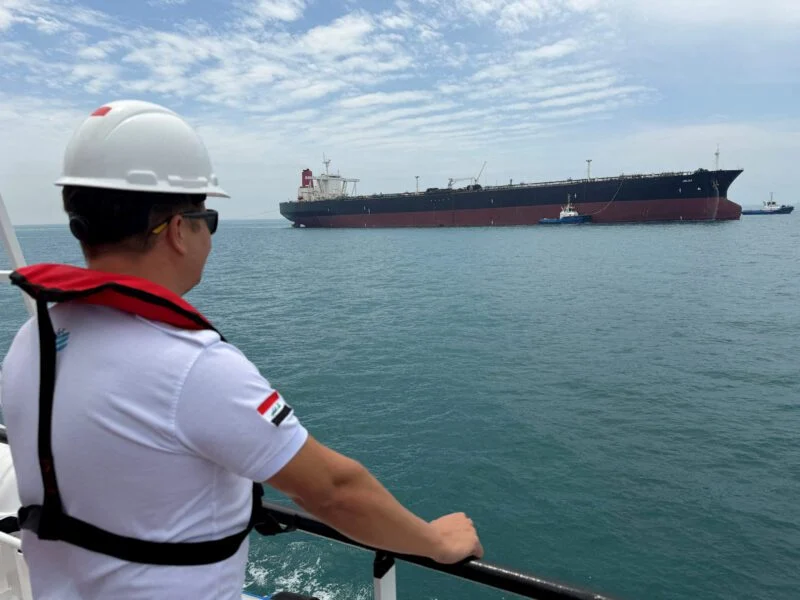
Operational Incident Analysis in High-Risk Waters
Recent reports from the Strait of Hormuz highlight severe kinetic risks for large commercial tonnage navigating critical choke points. An incident involving a 300-meter tanker underscores the immediate physical hazards faced by bridge teams, requiring rapid collision avoidance maneuvers following explosions ahead, followed by direct distress reporting to naval authorities.
Implications for Vessel Operators
For technical superintendents and Designated Persons Ashore (DPAs), these events demand a rigorous review of security threat levels, passage planning, and watchkeeping protocols. Navigating congested or high-threat sectors often forces masters to weigh standard collision regulations against asymmetric security threats. Operational planning must account for emergency maneuvering in restricted waters, bridge resource management under extreme pressure, and the verification of communication links with coalition naval forces.
Regional Impact on Middle Eastern and European Trades
Vessels trading through Middle Eastern export terminals and subsequently routing toward European, UK, Mediterranean, Turkish, or Black Sea discharge ports face elevated hull and machinery insurance premiums, potential voyage delays, and heightened crew safety concerns. Companies operating crude and product carriers in the region must coordinate closely with regional maritime security reporting centers and reassess risk mitigation measures as transit conditions evolve.
Practical Takeaway
DPAs and fleet managers should audit bridge team readiness for emergency collision avoidance and review standard operating procedures for communicating rapidly with naval security assets during active incidents.