Supertanker Shortage Drives Up Oil Shipping Costs, Impacts Long-Haul Trades
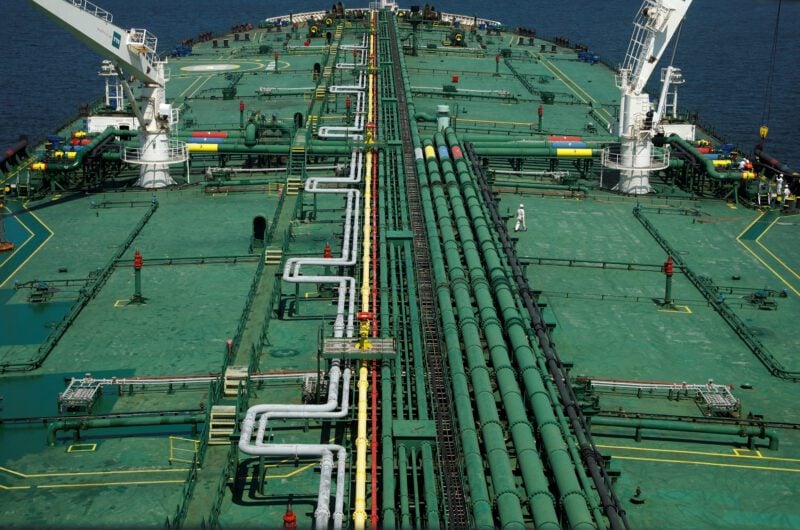
The global fleet of very large crude carriers (VLCCs) and other large oil tankers is facing a significant shortage, according to industry analysis. This scarcity is driving up freight rates for moving crude oil over long distances, making certain routes economically unviable.
The underlying causes appear to be a combination of strong demand for oil transportation, coupled with a limited supply of available vessels. Factors contributing to this include a relatively low order book for new builds in recent years and potentially an aging fleet requiring more maintenance. The increased cost of moving oil directly impacts the economics of crude trades, forcing traders to reconsider the viability of sourcing oil from distant suppliers.
For vessel operators, this situation translates into higher operational expenses and potentially reduced profitability on voyages where freight rates do not adequately compensate for the increased charter costs. It also signals a tightening market for tanker capacity, which could influence future chartering strategies and investment decisions in fleet expansion. The "soaring cost of moving oil" is a direct consequence of this supply-demand imbalance.
Operators trading to European, UK, Mediterranean, Turkish, Black Sea, or Middle Eastern ports will likely experience these elevated shipping costs. While these regions are often sources or destinations for shorter-haul crude, the global shortage impacts the overall tanker market. Increased competition for available VLCCs and other large tankers could lead to higher spot rates and longer waiting times for fixtures, even for regional movements, as the global supply chain adjusts to the scarcity.