Suriname Deepwater Oil Project Progresses Towards 2028 Production
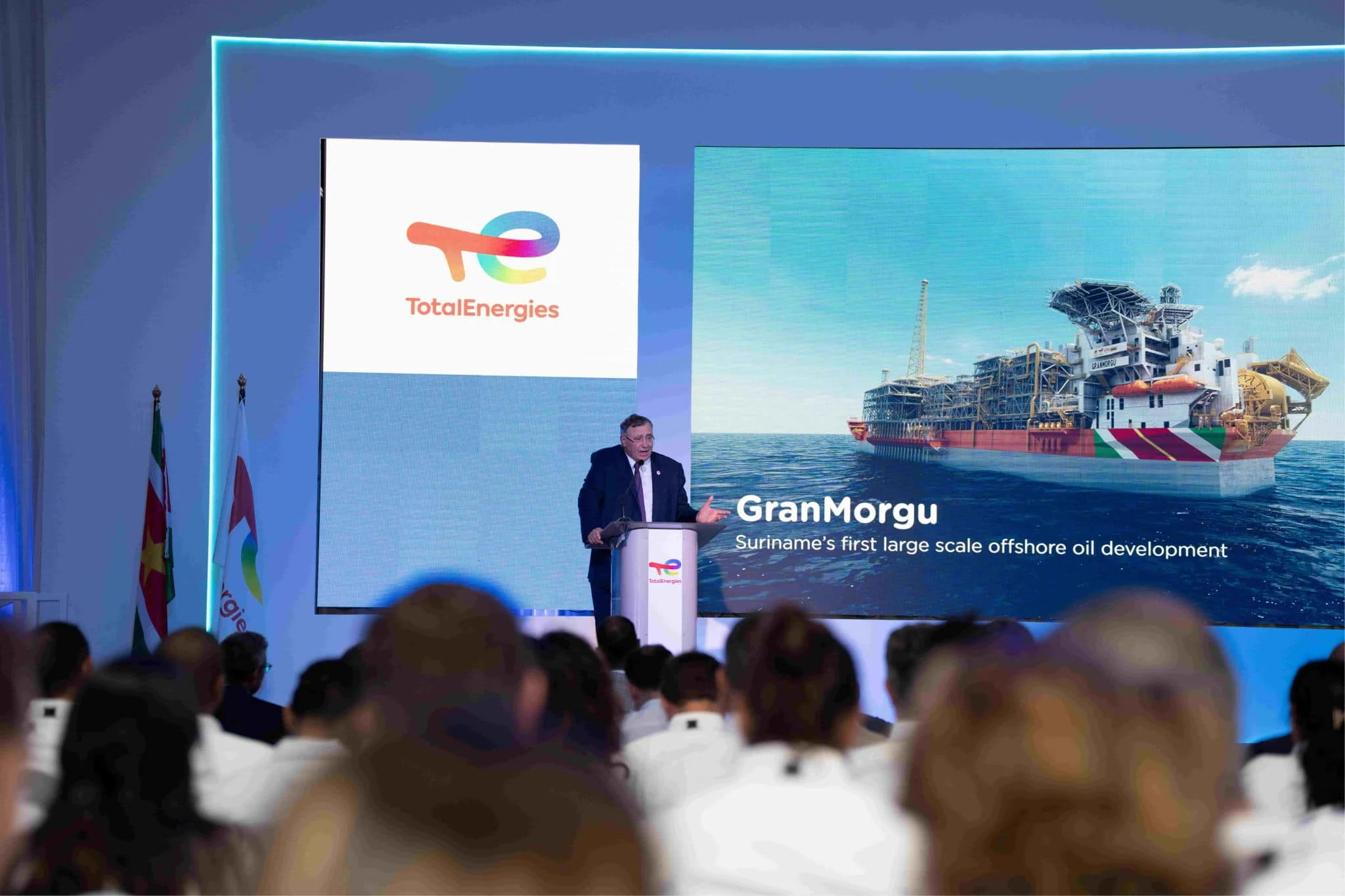
France's TotalEnergies and Suriname's Staatsolie, alongside APA, are making significant headway on the $12.2 billion deepwater oil project in Block 58 off the coast of Suriname. Recent discussions between project stakeholders confirmed that the development remains on schedule for first oil production in 2028. Large-scale production components are already being staged at the Kuldipsingh Port Facility, indicating tangible progress.
This substantial investment in deepwater exploration and production highlights a growing trend of major energy players committing to complex offshore projects. For vessel operators, the implications are multifaceted. The construction and operational phases of such projects necessitate a range of support vessels, from supply and anchor-handling tugs to specialized construction and accommodation barges. The logistical demands of transporting and installing massive offshore components also require careful planning and execution, potentially impacting port operations and availability for other commercial traffic.
For operators trading to European, UK, Mediterranean, Turkish, Black Sea, or Middle Eastern ports, this development underscores the global nature of the offshore energy sector. While the project is geographically distant, the expertise and equipment involved often originate from or transit through these regions. Furthermore, the increasing demand for offshore support services can influence charter rates and the availability of specialized tonnage, potentially affecting operators who rely on these assets for their own operations or sub-contracting needs.
The confirmation of drilling operations commencing in 2027 and production in 2028 signals a long-term commitment to this resource. This foresight allows for better strategic planning for fleet deployment and the anticipation of future market demands within the offshore support sector. "The offshore development remains firmly on track," stated Offshore Energy.
A key takeaway for vessel operators is the need to monitor the evolving landscape of major offshore projects. Understanding the timelines and logistical requirements of these developments can provide opportunities for fleet optimisation and strategic chartering decisions, ensuring readiness for the specialized demands of the energy sector.