Taiwan Coast Guard Patrol Upgrade Near Pratas Islands Signals Maritime Risk Shift
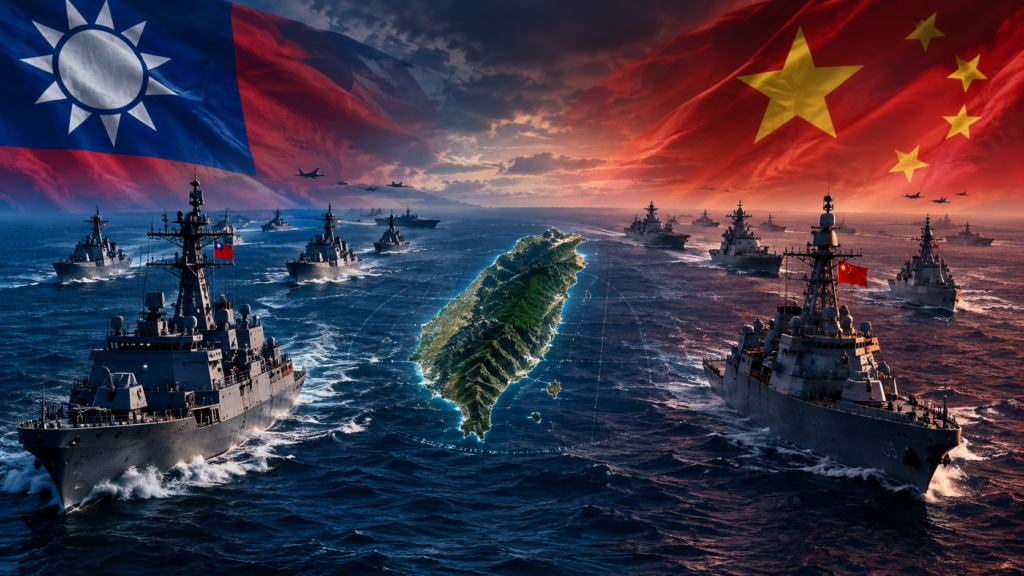
Taiwan's Coast Guard has announced a significant upgrade to its patrol capabilities in the vicinity of the Pratas Islands, a strategic atoll located over 400 kilometres from Taiwan and situated between Kaohsiung and Hong Kong. This development, scheduled for completion by 24 September 2026, represents a notable shift from a state of geopolitical uncertainty to a more concrete and structural maritime risk.
For vessel operators, this upgrade implies a heightened and more formalized presence in a region that has long been a point of contention. The increased patrol capacity suggests a more assertive stance, potentially leading to more frequent and rigorous inspections, increased surveillance, and a greater likelihood of operational disruptions for commercial shipping transiting these waters. While the specific nature of the upgrade is not detailed, it is reasonable to infer enhanced vessel numbers, improved sensor technology, and potentially more robust enforcement protocols.
This heightened activity could translate into increased scrutiny of vessel compliance with international regulations, including safety, security, and environmental standards. Operators should anticipate a more dynamic operational environment, where adherence to all maritime laws and documentation is paramount. The strategic location of the Pratas Islands means that vessels traversing key East Asian shipping lanes could be directly impacted.
For operators trading to European, UK, Mediterranean, Turkish, Black Sea, or Middle Eastern ports, this development, while geographically distant, underscores a broader trend of increasing maritime assertiveness and the potential for regional tensions to impact global trade flows. While direct encounters might be unlikely, any escalation in the Taiwan Strait or South China Sea could indirectly affect freight rates, insurance premiums, and route planning due to broader geopolitical instability and potential disruptions to supply chains originating from or destined for Asia. This could lead to increased caution and potentially longer transit times for vessels rerouting or facing delays due to heightened security measures in other regions.
A practical takeaway for vessel operators is to ensure meticulous adherence to all regulatory requirements and to maintain comprehensive and readily accessible documentation for all vessels operating in or near areas of increased maritime activity. Proactive vessel management and a thorough understanding of the evolving geopolitical landscape are crucial for mitigating potential operational risks.