TOC Asia 2026 to Focus on Asia's Port Growth Drivers: Trade, Tech, Investment
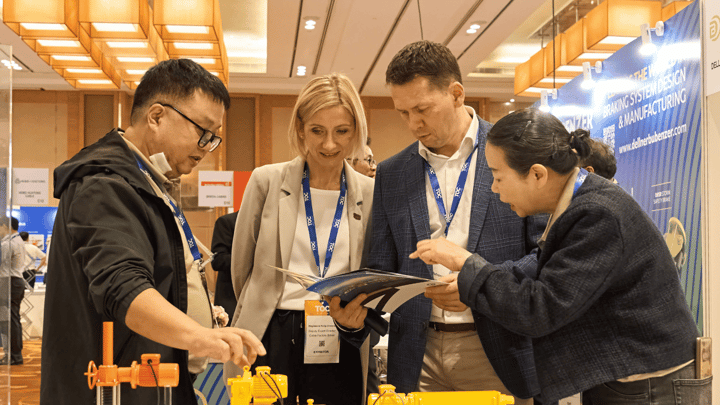
The upcoming TOC Asia 2026 event in Singapore signals a critical juncture for the maritime industry, particularly concerning the future trajectory of Asian ports. Senior maritime leaders are set to convene to dissect the multifaceted forces of trade dynamics, technological advancements, and investment strategies that are collectively shaping the region's port infrastructure and operations.
For vessel operators, understanding these evolving trends is paramount. The discussions will likely delve into how shifts in global trade patterns, potentially exacerbated by geopolitical factors or economic fluctuations, will impact cargo flows and port utilisation. Furthermore, the integration of new technologies, from automation and AI to advanced data analytics, promises to redefine port efficiency and logistics. Investment decisions in port development and upgrades will directly influence vessel turnaround times, berth availability, and the overall cost of doing business.
This focus on Asia's port landscape is particularly relevant for operators trading to European, UK, Mediterranean, Turkish, Black Sea, or Middle Eastern ports. While the event is geographically focused, the interconnectedness of global supply chains means that developments in Asia will inevitably ripple outwards. Changes in Asian port efficiency, capacity, or the adoption of new operational models can influence vessel routing, transit times, and the demand for specific vessel types, ultimately affecting scheduling and operational planning for fleets calling at ports in our covered regions. For instance, increased efficiency in Asian hubs might lead to altered feeder services or direct calls impacting regional hubs.
A key takeaway for vessel operators will be the need to remain agile and informed about these evolving port capabilities and trade flows. Proactive engagement with port authorities and terminal operators regarding technological integration and infrastructure upgrades can help anticipate and adapt to future operational requirements, ensuring smoother vessel calls and mitigating potential delays.