Tokyo Gas Establishes Indonesian Inter-Island LNG Shipping Network
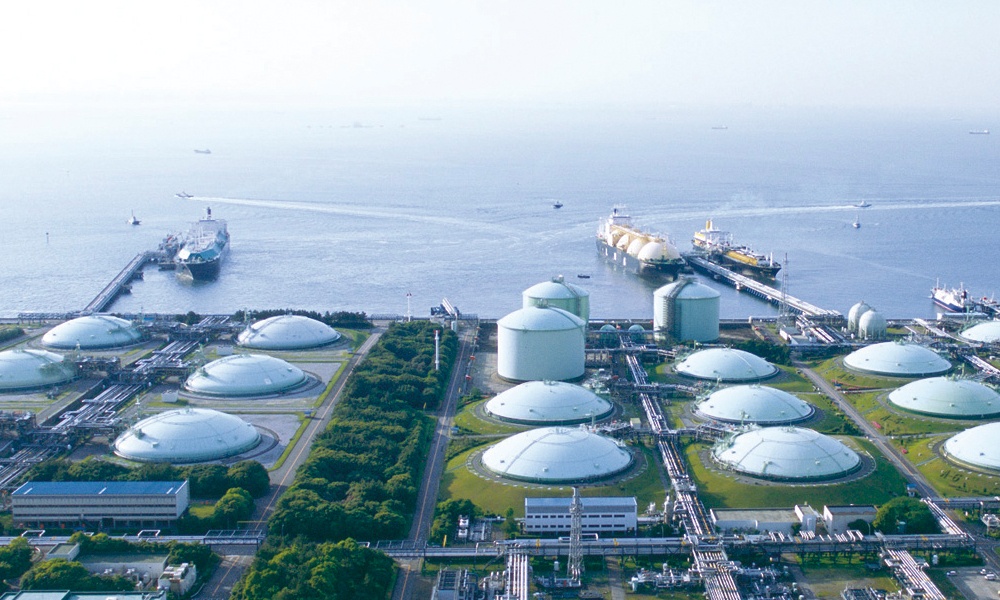
Japanese utility giant Tokyo Gas, through its subsidiary Tokyo Gas Asia, has secured full ownership of PT AGP Indonesia Utama, an Indonesian firm focused on LNG infrastructure development. This strategic move is set to establish a new domestic shipping network for liquefied natural gas (LNG) across Indonesia's extensive eastern archipelago, primarily to supply power stations.
The initiative addresses the logistical challenges inherent in supplying energy to a geographically dispersed island nation. By developing this dedicated inter-island LNG shipping capability, Tokyo Gas aims to create a more efficient and reliable energy distribution system within Indonesia.
Implications for Vessel Operators
For technical superintendents and fleet managers, this development signifies a potential shift in regional shipping demand. The creation of a new LNG transport network, even if initially focused domestically, could influence the availability and chartering of suitable vessels in the broader Southeast Asian market. It also highlights the growing trend of utilities investing directly in downstream logistics to secure their energy supply chains. Fleet managers should monitor the types of vessels being deployed and any associated operational requirements or standards that emerge from this new venture.
Regional Impact
While the primary focus is on Indonesia's domestic market, this expansion into LNG shipping infrastructure by a major player like Tokyo Gas could have ripple effects. Operators trading to European, UK, Mediterranean, Turkish, Black Sea, or Middle Eastern ports might see indirect impacts. Increased LNG carrier activity in Asia could tighten the market for suitable tonnage globally. Furthermore, as more regions develop their LNG infrastructure, it underscores the ongoing diversification of fuel sources and the increasing importance of specialized gas carrier operations, a trend that aligns with broader decarbonisation efforts impacting all sectors of the maritime industry.