US Navy Deploys Xbox-Controlled Laser Weapons Against Drones in Strait of Hormuz
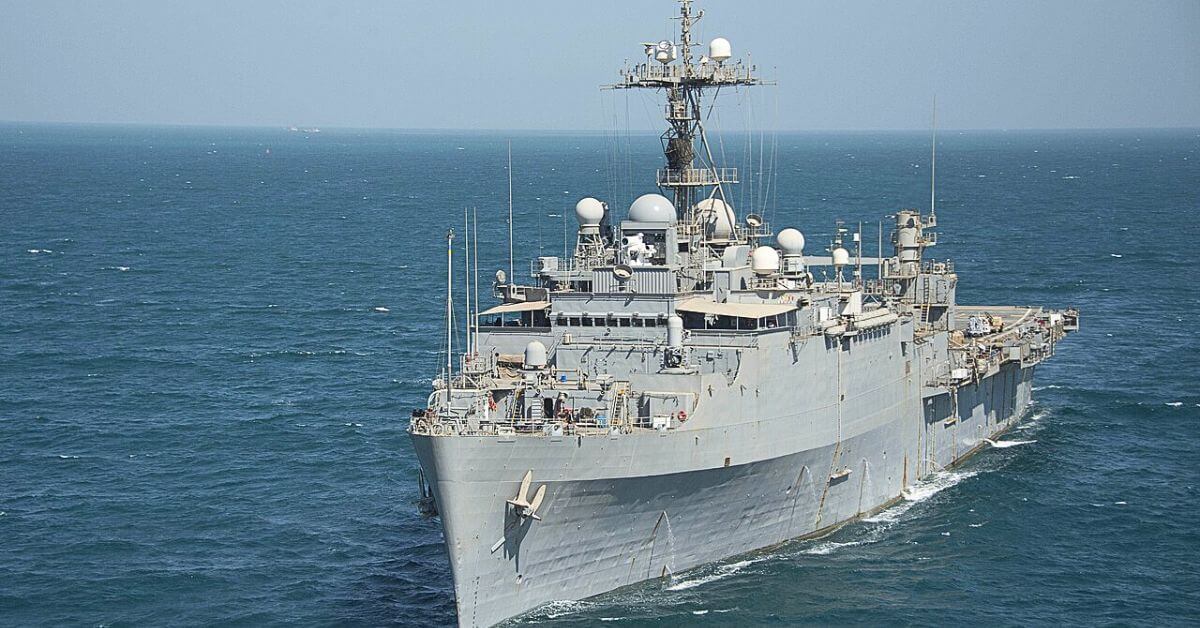
The United States Navy has reportedly deployed advanced high-energy laser weapon systems aboard warships operating in the strategically vital Strait of Hormuz. These systems are designed to counter a growing range of aerial threats, including drones and missiles. Notably, the control interface for these sophisticated weapons has been described as utilising modified Xbox game controllers, highlighting a trend towards integrating commercial gaming technology into military applications for ease of use and rapid operator training.
This deployment signifies a proactive response to escalating regional security concerns and the increasing prevalence of unmanned aerial vehicles (UAVs) and other asymmetric threats in maritime chokepoints. For commercial vessel operators, the presence of such advanced defensive capabilities in a key transit area underscores the evolving threat landscape. While the lasers are intended for defensive purposes against hostile actors, their operational presence can influence risk assessments and security protocols for vessels transiting the region.
For operators trading to European, UK, Mediterranean, Turkish, Black Sea, or Middle Eastern ports, this development serves as a reminder of the dynamic security environment in proximity to major shipping lanes. While direct impact on routine commercial operations is unlikely, heightened military activity in areas like the Strait of Hormuz can necessitate increased vigilance and adherence to security advisories. The underlying technology also points to potential future applications in maritime security, though its direct relevance to standard SOLAS compliance or port operations remains indirect at this stage.
A practical takeaway for vessel operators is the importance of staying informed about geopolitical developments and military deployments in key operational areas. While not a direct regulatory change, understanding the security context can inform voyage planning and the implementation of appropriate onboard security measures, aligning with best practices for maritime safety and security.