US Port Firefighting Gaps Highlight Global Safety Concerns
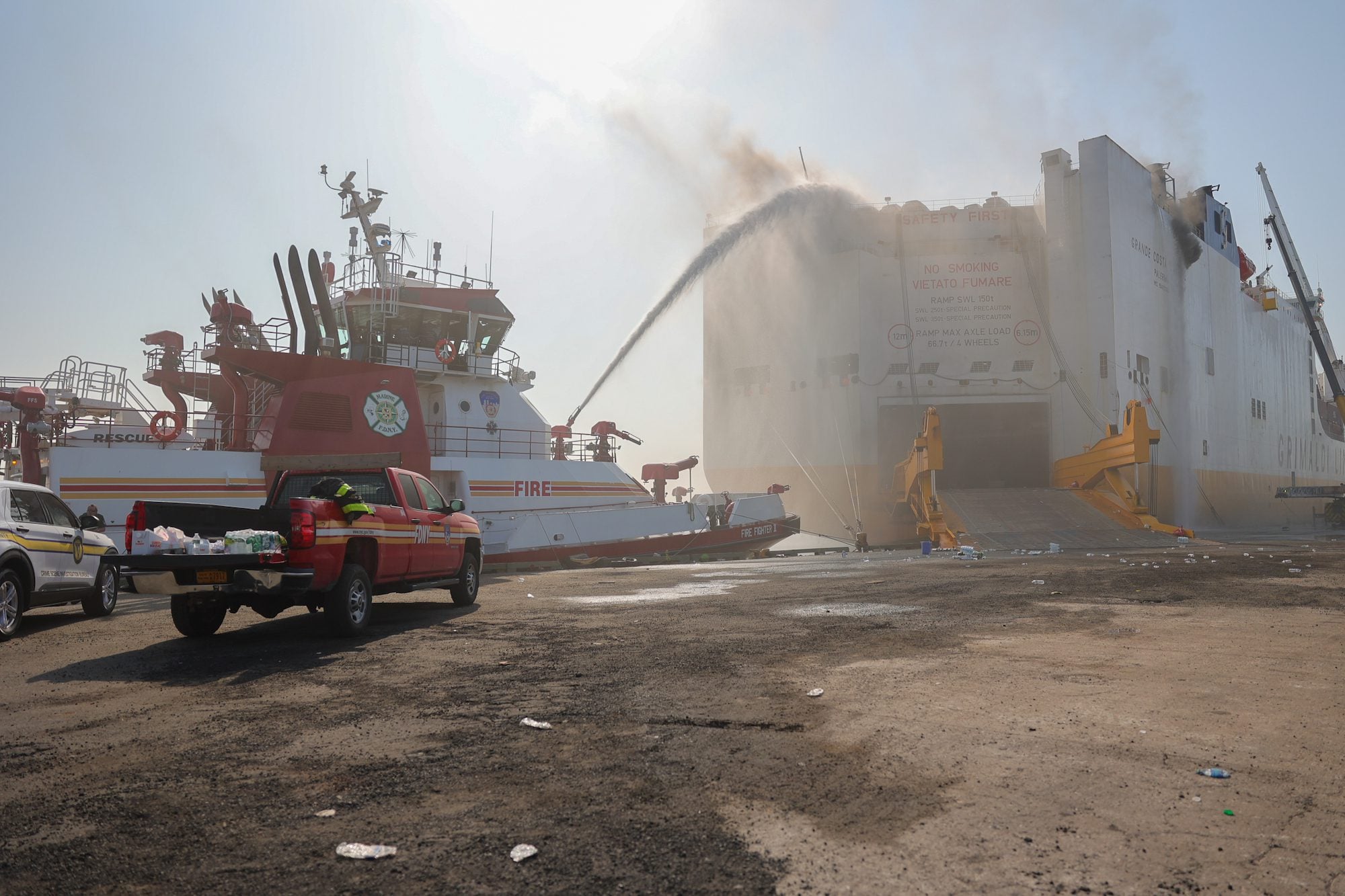
A recent report by the U.S. Government Accountability Office (GAO) has identified ongoing deficiencies in marine firefighting capabilities at American ports. The findings, released three years after a fatal incident, point to persistent gaps in training, inter-agency coordination, and emergency preparedness for shipboard fires.
The GAO's assessment underscores that despite previous attention, the ability to effectively combat fires on vessels within port limits remains a challenge. The report details a significant number of nearshore marine fires, indicating a recurring risk.
Operational Implications
For vessel operators, particularly those trading internationally, this report serves as a stark reminder of the critical importance of robust onboard emergency response plans and crew training. While the report focuses on U.S. ports, the underlying issues of preparedness and coordination are universally relevant. A fire aboard a vessel is a serious casualty with potential for significant environmental damage, loss of life, and extensive financial implications, including cargo and vessel damage, as well as potential delays and penalties.
Regional Context
While the GAO report specifically addresses the United States, operators trading to European, UK, Mediterranean, Turkish, Black Sea, and Middle Eastern ports should consider the implications for their own operational areas. These regions, with their high traffic density and diverse port infrastructures, also face challenges in ensuring adequate and coordinated firefighting resources for maritime incidents. The report's findings on training and planning gaps are a global concern, prompting a review of local port emergency response frameworks and vessel contingency plans.
Practical Takeaway
Operators should proactively review and enhance their vessel-specific emergency response plans, ensuring they align with the latest understanding of potential firefighting challenges and include clear protocols for communication and coordination with port authorities and external emergency services, regardless of the specific port of call. Regular drills simulating various fire scenarios, including those involving alternative fuels, are essential to maintain crew readiness.