US Tugboat Decarbonisation Explores Insetting, Biofuels, and Electric Propulsion
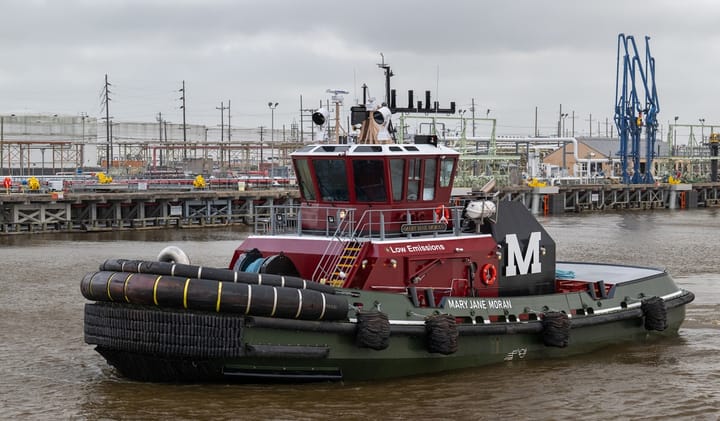
A recent discussion highlights various pathways for decarbonising tugboat operations, primarily focusing on the US market. The strategies explored include carbon insetting, the use of renewable diesel, and the adoption of electric propulsion systems. These approaches aim to significantly reduce the carbon footprint associated with these essential harbour vessels.
For vessel operators, particularly those managing fleets that include tugs or similar service craft, these developments are significant. The push for decarbonisation is a global trend, driven by regulatory pressures and increasing stakeholder demand for sustainable operations. While the article focuses on the US, the technologies and concepts discussed are transferable and indicative of future requirements worldwide.
Regional Implications
Operators trading to European, UK, Mediterranean, Turkish, Black Sea, or Middle Eastern ports should monitor these trends closely. European regulations, such as the EU Emissions Trading System (EU ETS) and upcoming FuelEU Maritime, are already imposing stricter emissions controls. While direct application of US-centric solutions might vary, the underlying principles of exploring alternative fuels and propulsion systems are directly relevant. The adoption of renewable diesel, for instance, offers a potentially simpler transition for existing diesel engines, while electric propulsion signifies a more substantial investment in future-proofing operations in ports that may increasingly favour or mandate zero-emission vessels.
Practical Takeaway
The key takeaway for operators is the need for a proactive, multi-faceted approach to decarbonisation. Evaluating the feasibility of different fuel types and propulsion technologies, alongside exploring opportunities for emission offsetting or reduction through operational efficiencies like carbon insetting, will be crucial for maintaining compliance and competitiveness. "Reducing emissions is everyone’s responsibility," underscores the collaborative nature of this transition.
This exploration of diverse decarbonisation methods for tugs offers a valuable case study for how the maritime industry can adapt to evolving environmental standards. The focus on practical, implementable solutions suggests a pragmatic evolution rather than a singular technological leap.