Uzbekistan Secures Preferential Tariffs for Fertilizer Transit via Kuryk Port
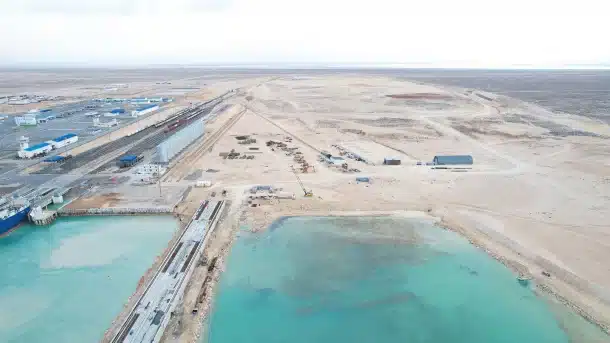
Uzbekistan has successfully negotiated preferential railway tariffs for the transit of fertilisers and petroleum products through Kazakhstan's Caspian Sea port of Kuryk. This agreement, reached between the railway administrations of Kazakhstan and Uzbekistan, aims to facilitate Uzbek exports, particularly towards European markets, via Georgian ports.
Strategic Logistics Shift
The development is significant for operators managing bulk cargo, especially fertilisers, originating from or transiting through Central Asia. By reducing transit costs, this initiative enhances the competitiveness of Uzbek exports. The Kuryk port, situated on the eastern Caspian coast, is strategically positioned to serve as a crucial node in the Middle Corridor trade route, connecting Asia with Europe via the Caspian Sea and subsequent land or sea links.
For vessel operators trading to European, UK, Mediterranean, Turkish, Black Sea, or Middle Eastern ports, this could translate into increased cargo volumes of fertilisers and petroleum products originating from this region. It offers an alternative or supplementary route to traditional land-based or longer sea passages, potentially impacting transit times and costs for specific commodity flows. Monitoring the actualisation of these preferential tariffs and the subsequent cargo volumes will be key.
Operational Implications
While the primary focus is on export facilitation, the agreement underscores the growing importance of multimodal logistics solutions and the Caspian Sea as a transit corridor. For fleet managers and technical superintendents, this could mean encountering new cargo patterns and potentially increased vessel calls at ports along the Caspian and Black Sea routes that serve as transhipment points. Understanding the reliability and efficiency of this transit route will be important for future planning.
Practical Takeaway: Operators should monitor the impact of these preferential tariffs on cargo flows and consider the Kuryk-Georgia route as a potential logistical option for relevant commodities, factoring in potential changes to vessel scheduling and port calls.