Wind-Assisted Propulsion Explored for Large LNG Carrier
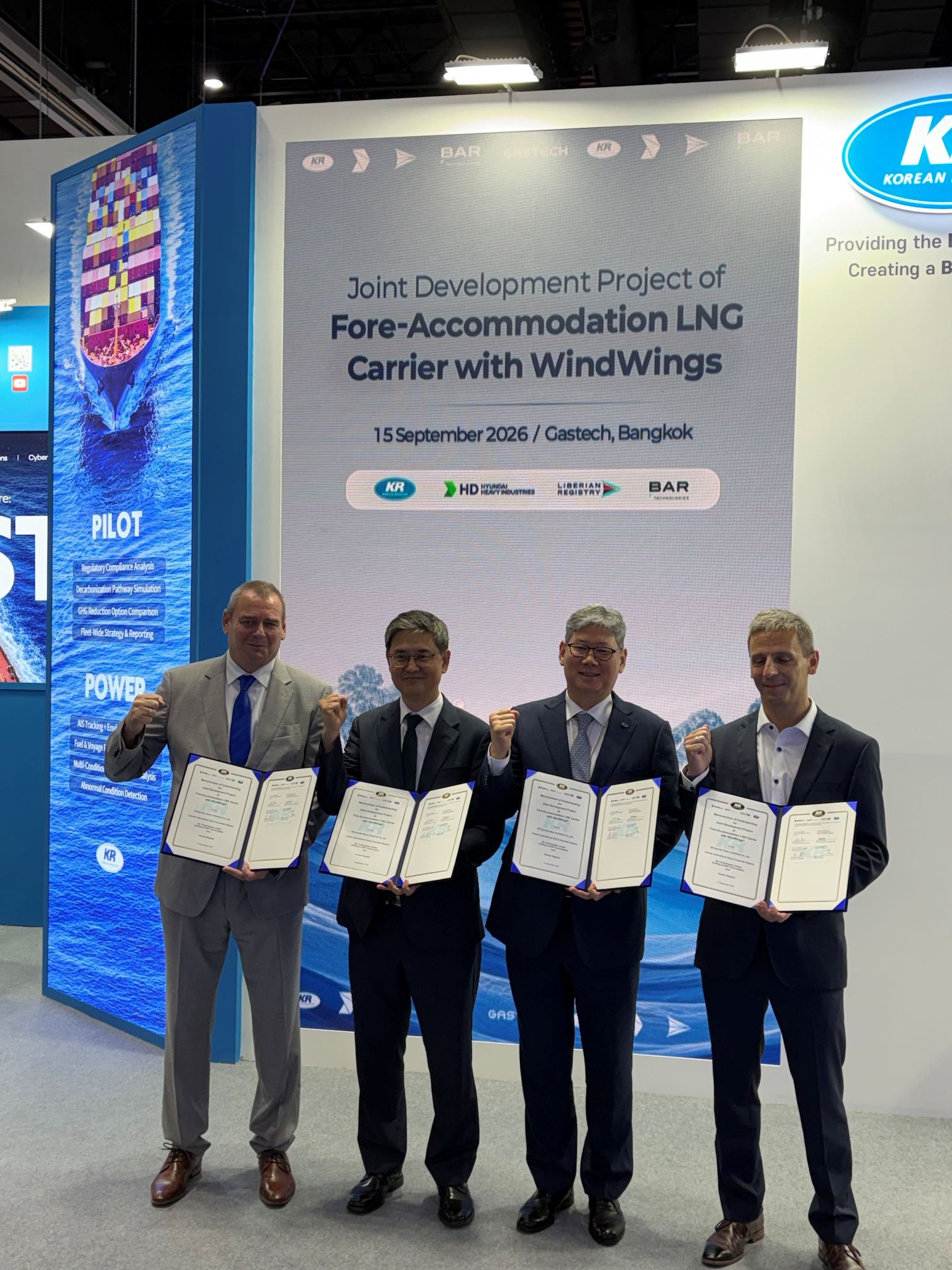
Korean Register (KR) and HD Hyundai Heavy Industries (HD HHI) have initiated a project to evaluate the integration of BAR Technologies' WindWings on a 174,000 cubic metre LNG carrier. This collaboration, formalised via a Memorandum of Understanding, signifies a growing industry interest in wind-assisted propulsion as a means to reduce emissions and operational costs for large vessels.
The primary objective of this joint effort is to thoroughly assess the technical feasibility and safety implications of retrofitting or installing these rotor-sail-like devices. For vessel operators, particularly those managing LNG carrier fleets, this development is significant. The pursuit of alternative propulsion methods is driven by increasing regulatory pressure, such as the EU's FuelEU Maritime initiative and the IMO's decarbonisation targets, which necessitate substantial reductions in greenhouse gas emissions.
Operational Impact and Regional Considerations
Exploring technologies like WindWings is crucial for operators aiming to meet future environmental performance standards and potentially enhance charter competitiveness. The potential for fuel savings and reduced carbon intensity (CII) ratings is a key driver. For vessels trading within European, UK, Mediterranean, Turkish, Black Sea, and Middle Eastern waters, the adoption of such technologies could offer a tangible advantage. These regions are at the forefront of environmental regulation, with stringent port state control measures and emissions trading schemes. Successful implementation of wind-assisted propulsion could lead to improved compliance, reduced port fees related to emissions, and a stronger market position when securing charters that prioritise sustainability.
A practical takeaway for technical superintendents and fleet managers is the need to stay informed about the performance data and operational experience emerging from such pilot projects. Understanding the maintenance requirements, potential impacts on vessel stability and manoeuvrability, and the actual fuel savings achieved will be critical for future decision-making regarding fleet retrofits or newbuilding specifications.