CMA CGM Vessel Rescues Four After Yacht Strikes Whale
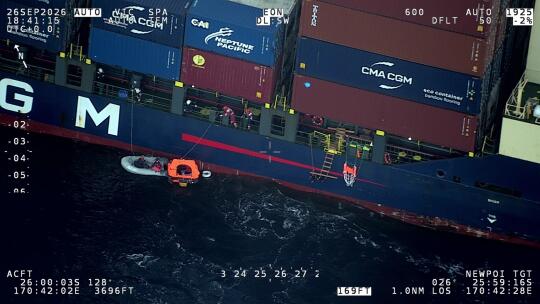
A recent incident in the South Pacific saw the crew of a CMA CGM container ship rescue four individuals whose yacht had struck a whale, leading to the vessel taking on water and sinking. The yacht's occupants were located in a life raft approximately 250 nautical miles north of an unspecified location.
While this event occurred far from European waters, it serves as a stark reminder of the unpredictable hazards present at sea, even for recreational craft. The swift response by the commercial vessel underscores the critical role that ships at sea play in maritime safety and rescue operations.
For operators trading to European, UK, Mediterranean, Turkish, Black Sea, or Middle Eastern ports, the primary implication relates to the potential for encountering debris or other hazards resulting from such incidents, though direct operational impact is minimal. More broadly, it reinforces the importance of robust emergency preparedness and the inherent risks associated with navigating shared maritime spaces. The incident also highlights the need for effective communication channels between different maritime sectors.
While the source does not detail the specific actions taken by the CMA CGM vessel, such rescues are typically coordinated through maritime rescue coordination centres (MRCCs). The successful recovery of the sailors demonstrates the effectiveness of international maritime cooperation and the inherent responsibility of mariners to assist those in distress, a principle enshrined in SOLAS.
A practical takeaway for vessel operators is to ensure that crew are adequately trained in emergency response procedures, including the identification and reporting of distress signals and the safe execution of man-overboard or rescue operations. Maintaining up-to-date communication equipment and ensuring crew familiarity with distress protocols are paramount.