Yara Sluiskil's New Carbon Capture Facility Operational
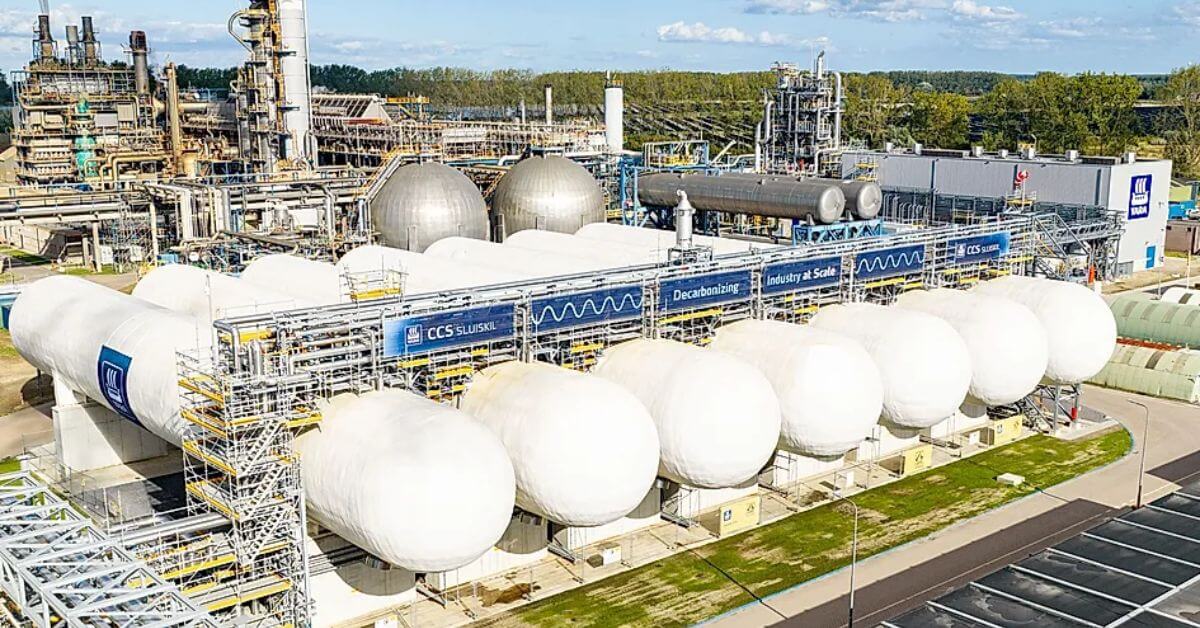
Yara's ammonia and fertilizer plant in Sluiskil, Netherlands, has commenced operations at its new industrial carbon capture facility. This plant is designed to capture and liquefy up to 800,000 tons of carbon dioxide (CO₂) annually. The captured CO₂ is intended for various industrial uses, including the food and beverage industry.
Implications for Vessel Operators
This development is significant for operators trading in European waters, particularly those involved in the transport of industrial gases or operating within regions with stringent emissions regulations. The increased availability of captured and liquefied CO₂ could lead to new logistical chains and potentially influence the demand for CO₂ transport vessels. Furthermore, as the industry moves towards decarbonisation, facilities like this represent a tangible step in managing industrial emissions, which could have ripple effects on emissions trading schemes and future regulatory frameworks affecting maritime operations.
For vessels calling at European, UK, Mediterranean, Turkish, Black Sea, or Middle Eastern ports, this facility underscores the growing infrastructure for carbon management. It signals a trend towards industrial decarbonisation that may eventually translate into new cargo opportunities or influence operational requirements related to emissions reporting and compliance. The logistics of transporting captured CO₂ will require careful planning and adherence to safety standards for liquefied gases.
Practical Takeaway
Operators should monitor the development of CO₂ transport infrastructure and associated logistical requirements, as this could present new cargo streams or necessitate adaptations in vessel suitability and port handling procedures for liquefied CO₂. Understanding the supply chain for captured CO₂ will be crucial for identifying potential new business or operational challenges.