COSCO Denies Allegations of Intelligence Gathering on Vessels
Οι αναλύσεις ειδήσεων δημοσιεύονται στα αγγλικά.
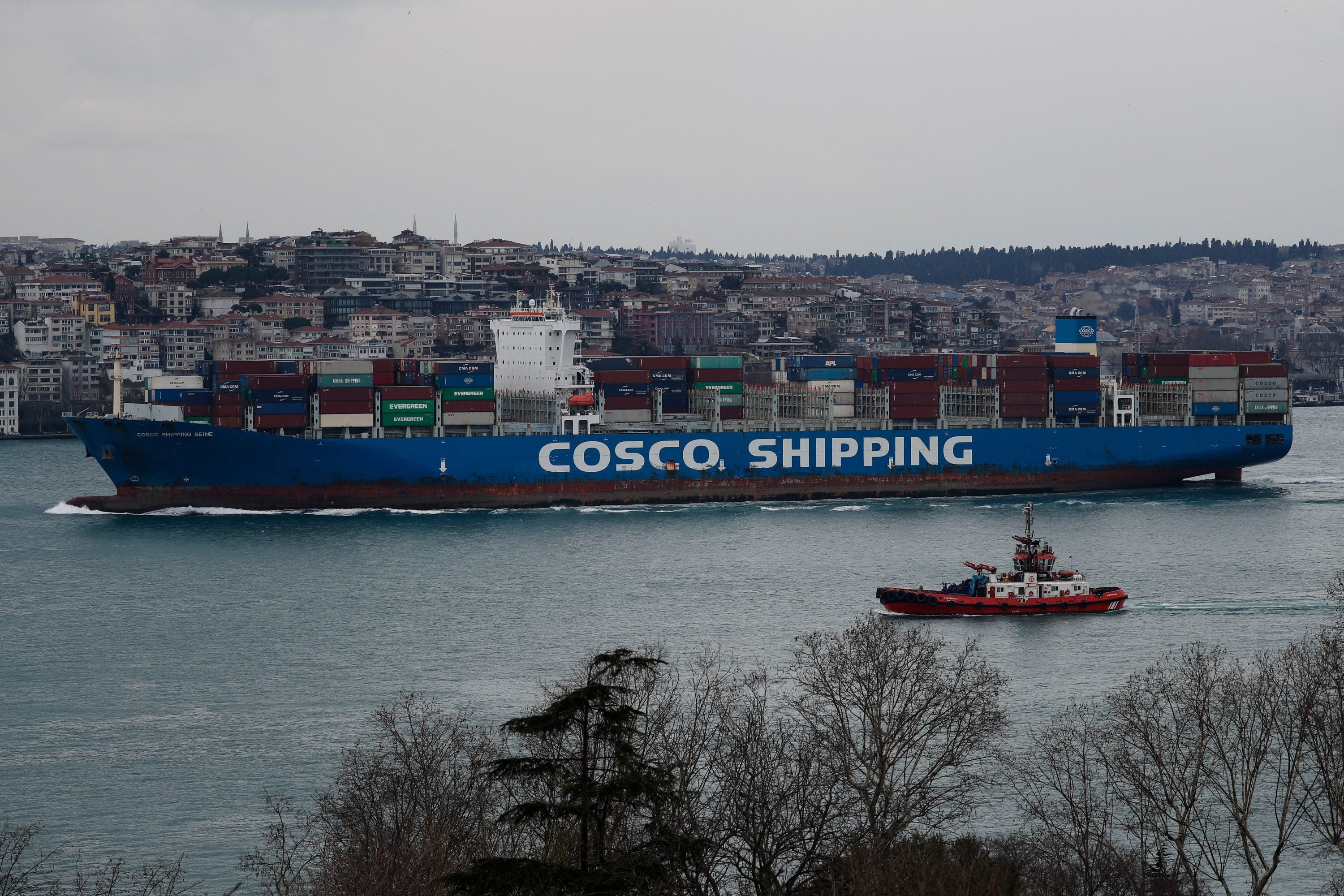
China's state-owned shipping behemoth, COSCO, has publicly dismissed reports suggesting its vessels were equipped with covert technology for intelligence gathering on behalf of Beijing. The company labelled these accusations as "totally unfounded" and untrue.
Implications for Fleet Operations
While the specific nature of the alleged equipment and the evidence presented remain undisclosed, such allegations, even if denied, can have significant ripple effects for vessel operators. The mere suggestion of espionage capabilities on commercial shipping could heighten scrutiny from port state control authorities, flag states, and intelligence agencies globally. This could translate into more rigorous inspections, potentially leading to delays and increased compliance burdens.
For operators trading within or transiting the European, UK, Mediterranean, Turkish, Black Sea, or Middle Eastern regions, heightened geopolitical sensitivities are a constant factor. Any perception of security risks associated with vessels, regardless of origin, can lead to increased vigilance from port authorities and security services. This might manifest as more thorough vetting of ship manifests, cargo, and crew, particularly if geopolitical tensions escalate. Operators should be prepared for potential, albeit unlikely, disruptions or additional checks, reinforcing the need for robust internal compliance and security protocols.
Practical Takeaway
Regardless of the veracity of these specific claims, the incident underscores the importance of maintaining impeccable operational integrity and transparency. Operators should ensure all vessel equipment is properly declared, certified, and compliant with international regulations. Proactive communication and a strong stance on security can help mitigate reputational risks and potential operational disruptions arising from unsubstantiated, yet damaging, allegations.