Port Strikes Disrupt Operations Across Major European Shipping Hubs
Nyhetsanalysene publiseres på engelsk.
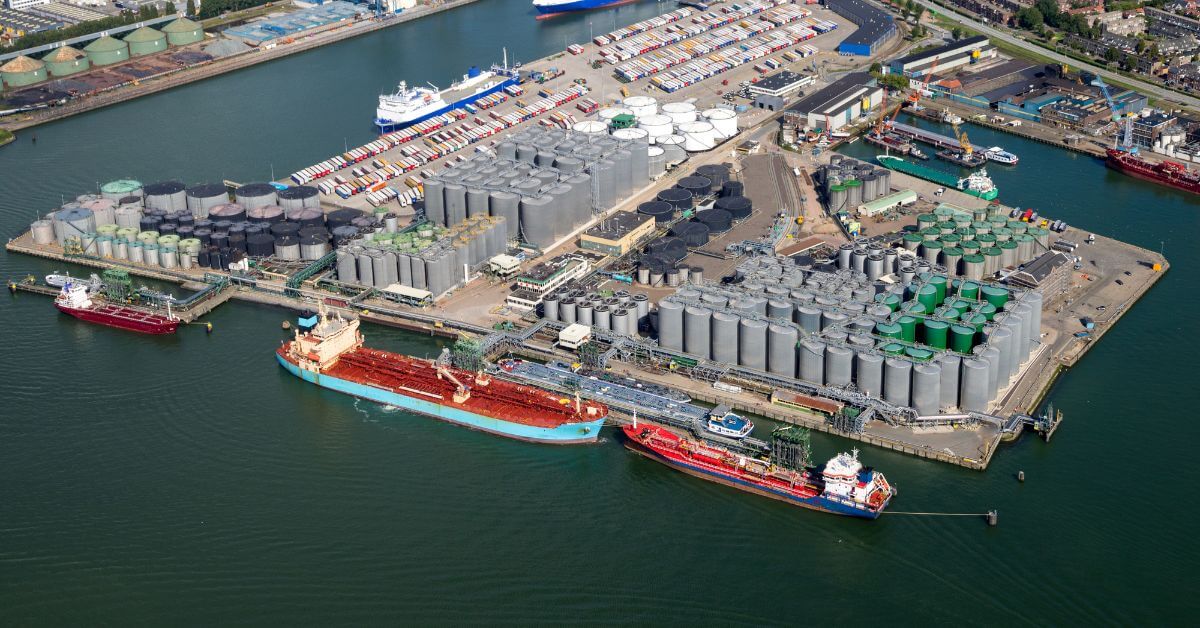
Industrial action is currently impacting operations at several major European shipping hubs, including Hamburg and Rotterdam. These strikes are causing significant delays and disruptions to vessel calls, terminal handling, and the subsequent inland transportation of cargo.
The immediate consequence for vessel operators is the potential for extended port stays, missed berthing windows, and cascading schedule disruptions across global networks. This not only affects delivery timelines but also increases operational costs due to potential demurrage charges, crew welfare challenges, and the need to re-route or adjust voyage plans.
For operators trading to European, UK, Mediterranean, Turkish, Black Sea, or Middle Eastern ports, the ripple effects of these disruptions can be substantial. While the primary impact is felt in Northern Europe, congestion and delays at these key gateways can lead to onward congestion and schedule adjustments affecting calls further south and east. Port agents and fleet managers must maintain close communication with terminals and carriers to anticipate and mitigate these impacts.
A practical takeaway for vessel operators is the critical need for enhanced real-time visibility and proactive contingency planning. This includes closely monitoring strike developments, maintaining flexible scheduling where possible, and establishing robust communication channels with all stakeholders to swiftly adapt to changing port conditions and minimise operational and commercial fallout.